Pick a blade for finish cuts
Start with material type, tooth count, blade diameter, arbor fit, and visible edge quality. The guide explains when a cleaner cut is worth a slower feed.
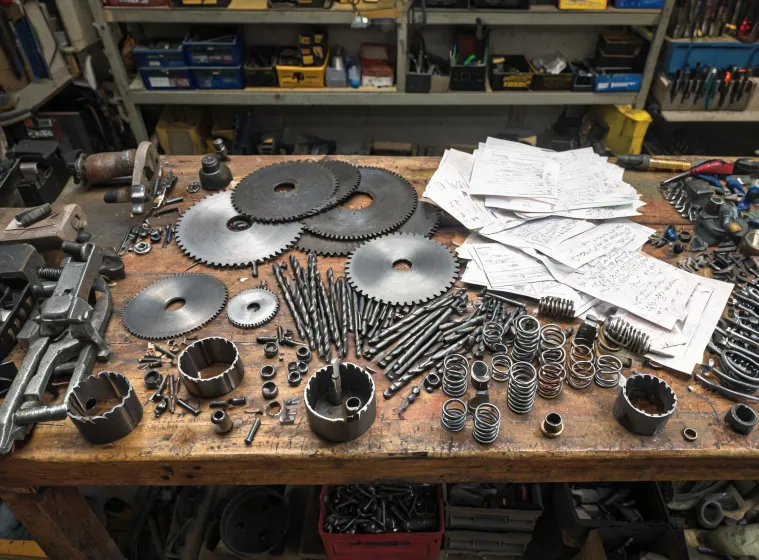
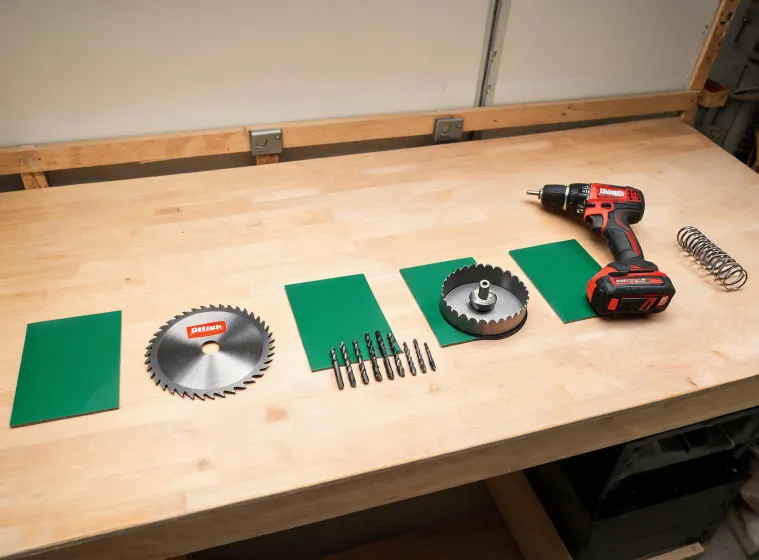
This page is about practical tool guidance: choosing blades, bits, hole saws, spring references, and power tool setups through clear before-and-after steps.
The guide is written like a calculator because buyers often need to compare tradeoffs. Instead of promising an exact number, it helps a team think through what costs time: choosing the wrong tooth count, pairing a bit with the wrong material, using a worn pilot, or reordering a spring without enough reference detail.
Diablo narrows the conversation to the product family, the compatibility check, and the practical next question. A blade guide might ask about diameter, arbor, tooth count, and finish. A drilling guide might ask about shank, coating, pilot control, and hole size. A spring guide might ask about load direction, free length, and sample reference.
Each guide card has a different role, and every section stays focused on hands-on selection help.
Start with material type, tooth count, blade diameter, arbor fit, and visible edge quality. The guide explains when a cleaner cut is worth a slower feed.
Check substrate hardness, hole diameter, drill type, pilot control, and whether the application needs speed, life, or a cleaner entry.
Match the saw diameter, arbor, pilot bit, and material before deciding which kit should sit behind a counter or in a workshop drawer.
Use sample photos, dimensions, load direction, and mounting context so the next conversation has enough detail to avoid guessing.
Send a few details and the team can help turn the situation into a blade, bit, hole saw, spring, or power tool accessory path that your buyer can understand.