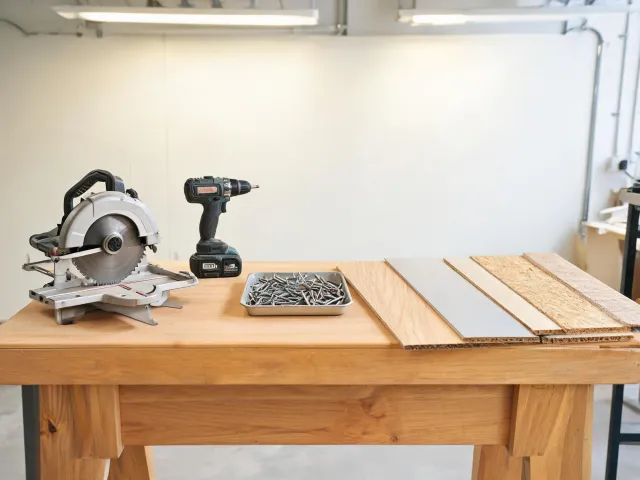
Construction and remodeling
Crews need blades and bits that match framing lumber, trim, sheet goods, anchors, and fast changes between rough and finish work.
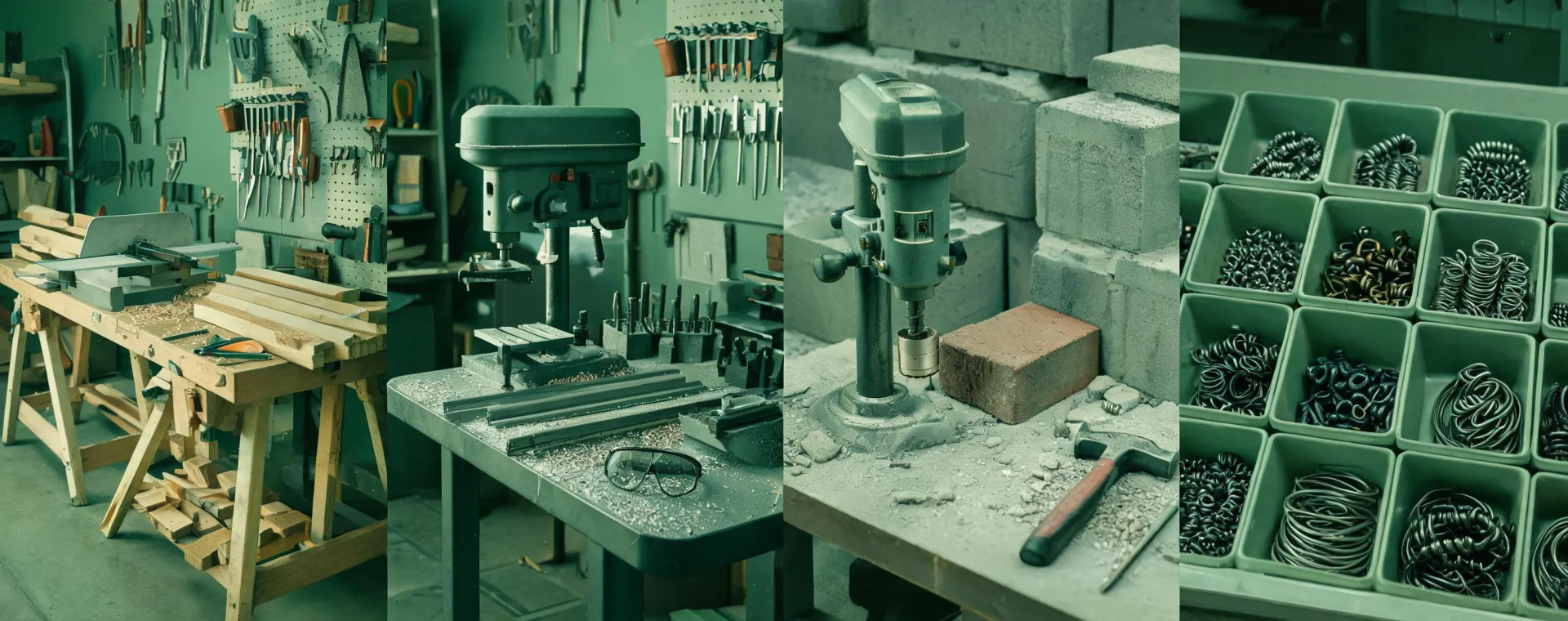
Different crews and shops ask different questions, yet the selection logic stays grounded in material, tool compatibility, finish quality, accessory life, and reorder clarity.
Diablo industry guidance avoids broad claims and focuses on the situations where saw blades, drill bits, hole saws, power tools, and spring references must be chosen carefully. Each card points to a practical buying conversation rather than a one-size-fits-all answer.
Crews need blades and bits that match framing lumber, trim, sheet goods, anchors, and fast changes between rough and finish work.
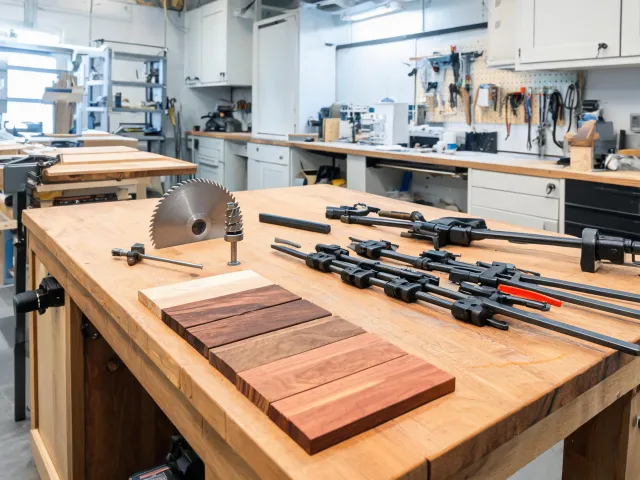
Woodworkers care about chip-out, tooth count, clean edges, repeatable setup, and stocking accessories that support consistent finish quality.
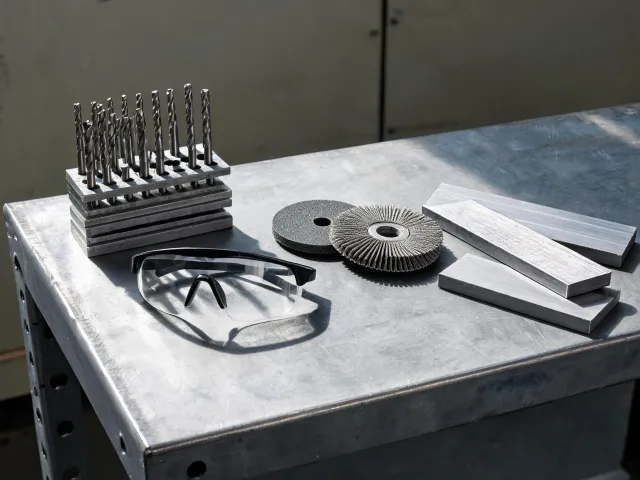
Maintenance teams ask about pilot control, bit coating, abrasive choice, and life expectancy when the work moves between steel, pipe, and brackets.
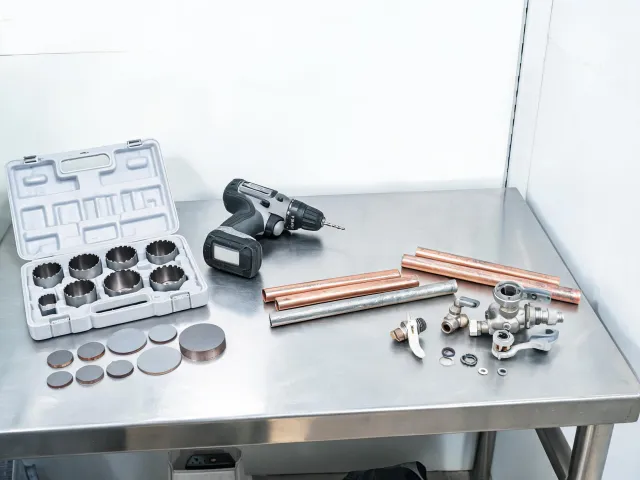
Installers need hole saws, bits, and accessory kits explained by material, diameter, pilot, and the tool already in the truck.

Counter teams benefit from language that turns a vague request into a material, tool, and finish question before suggesting the product.
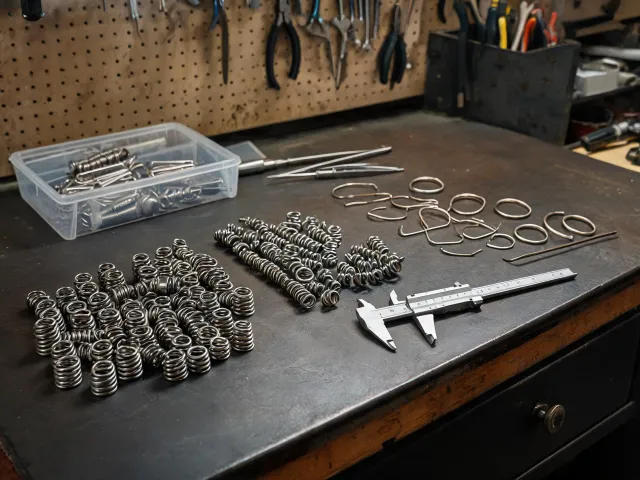
Small shops often combine accessory replacement with spring and wire form references, so clear notes help purchasing repeat the right item.
These figures describe the Diablo guidance model on this site: a focused path for accessories, power tools, and springs that can still adapt to different workplace questions.
Tell us whether the job is finish carpentry, rough cutting, drilling, installation prep, metal work, or a spring reference. The product conversation starts from there.